
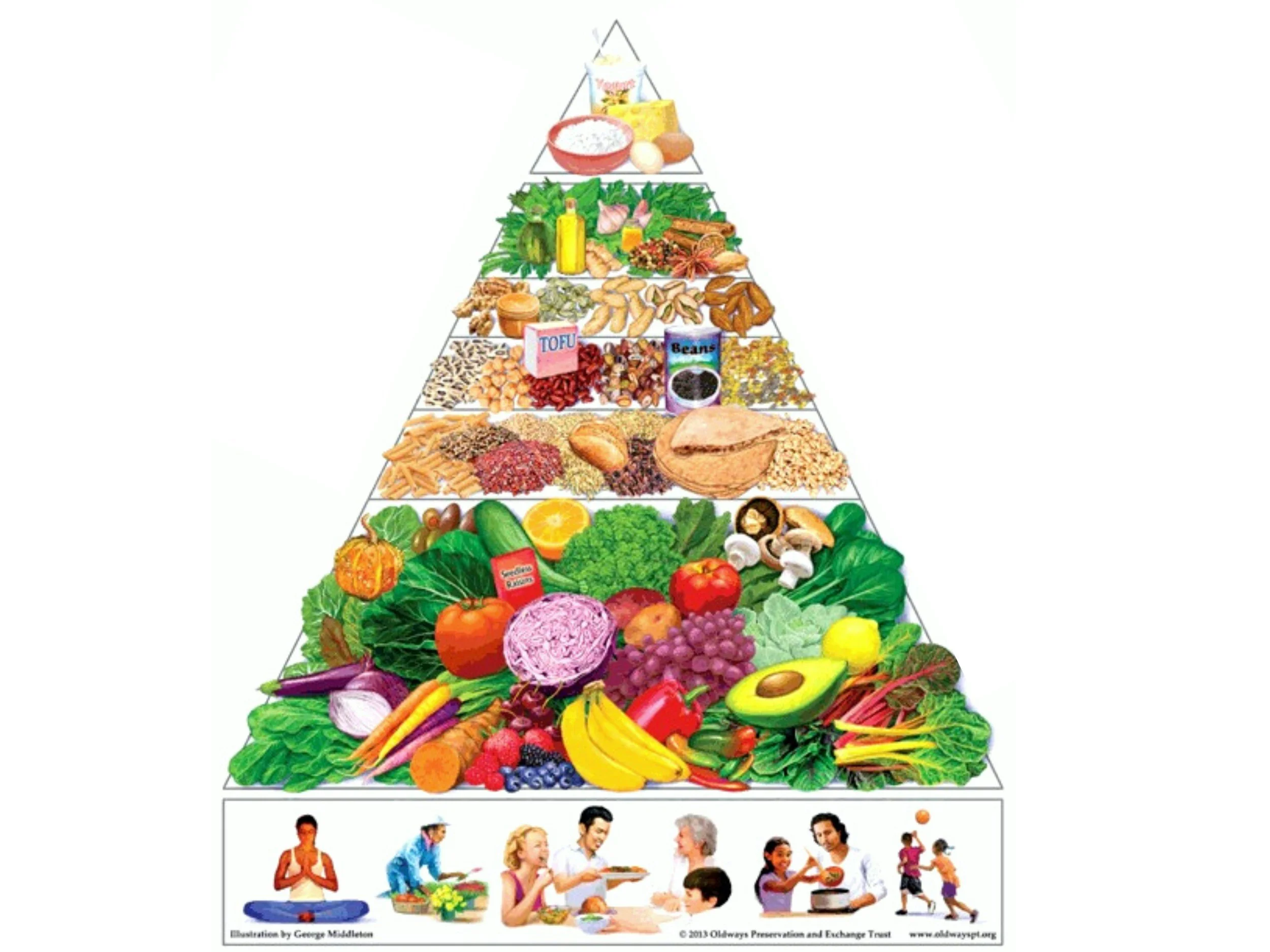
Every once in a while, something quietly important happens that deserves to be acknowledged.
Recently, the U.S. Department of Health and Human Services announced a reset in federal nutrition policy, signaling a meaningful shift toward food guidance rooted in modern nutrition science rather than outdated assumptions. For many of us in integrative health, this moment feels long overdue.
Without turning this into a political conversation, it’s fair to say that the original food pyramid did a disservice to millions of people. Its heavy emphasis on refined grains and low-fat everything wasn’t accidental—it reflected the influence of industrial food systems rather than human biology. The downstream effects have been profound: rising metabolic disease, inflammation, nutrient deficiencies, and confusion around what “healthy eating” even means.
So this reset is worth celebrating. And it’s also worth clarifying.
A Step in the Right Direction—With Important Nuances
The updated guidance emphasizes simple, flexible principles grounded in current nutrition science. These are strong foundations—but they work best when personalized.
Let’s walk through the highlights, with an integrative lens.
Prioritize Protein at Every Meal
Protein is no longer an afterthought—and that’s a good thing.
Whether animal or plant based, protein supports muscle mass, blood sugar balance, hormone production, immune health, and healthy aging. But here’s the nuance most guidelines don’t cover:
How much protein is right for you?
That depends on your age, sex, activity level, stress load, and digestive capacity. What works for a 25-year-old athlete may not work for a 55-year-old professional with chronic stress or digestive issues.
This is where personalized guidance and testing matter.
Full-Fat Dairy (Without Added Sugars)—But Not for Everyone
The return of full-fat dairy reflects better science around fats and metabolic health. However, dairy remains one of the 5 most common food sensitivities we see in practice.
For some people, dairy is nourishing. For others, it quietly drives inflammation, sinus issues, digestive distress, skin problems, or fatigue.
This isn’t about dairy being “good” or “bad.”
It’s about whether it’s right for your body—something that can be clarified through IgG food sensitivity testing.
Vegetables and Fruits Throughout the Day (Whole Forms)
The recommendation of working up to 7–9 cups per day of vegetables and fruits aligns with strong research. But again, nuance matters.
Some “healthy” foods can trigger delayed (IgG) immune reactions in certain individuals
High-glycemic fruits may spike blood sugar for some people
Ayurvedic food-combining principles matter for digestion
Raw vs cooked can make a big difference depending on gut health
We often see people doing “everything right” on paper—yet feeling bloated, inflamed, or fatigued—because their body is reacting to foods others tolerate just fine.
Healthy Fats from Whole Foods—With Balance in Mind
Healthy fats from meats, seafood, eggs, nuts, seeds, olives, and avocados are foundational. But modern diets tend to skew heavily toward omega-6 fats, creating inflammatory imbalance.
The optimal omega-6 to omega-3 ratio is roughly 3:1. Many people are closer to 15:1 or higher—without knowing it.
This balance can be accurately measured at home with an inflammation and omega-fatty-acid test, allowing targeted correction instead of guesswork.
Whole Grains—But Watch Quality and Exposure
The guidance encourages whole grains while sharply reducing refined carbohydrates. That’s progress.
However, grain quality matters. Many conventionally grown grains are exposed to glyphosate, a chemical that can disrupt gut bacteria and immune regulation.
For individuals experiencing unexplained inflammation or digestive issues, glyphosate exposure is often overlooked—and testable.
Limit Highly Processed Foods and Additives
This may be the most universally agreed-upon principle—and also one of the hardest to implement consistently.
Ultra-processed foods disrupt hunger signaling, burden detox pathways, and displace nutrient-dense options. Reducing them creates space for real nourishment.
Eat the Right Amount—for You
Calorie needs aren’t static. They change with age, hormones, stress, sleep, and activity level.
This is where coaching becomes essential. Without guidance, people often undereat (driving hormonal stress) or overeat (driving inflammation), even with “healthy” foods.
Hydration Matters—Quality Counts
Water is foundational. But when, how much, and how clean matter.
Filtered water supports detoxification and cellular hydration far better than sweetened beverages or poor-quality sources. Hydration is not just about volume—it’s about absorption.
Alcohol: Let’s Add Context
The long-held idea that “one drink a day is healthy” deserves nuance.
Alcohol is not required for health. That said, enjoyment and social connection matter too. The integrative approach isn’t prohibition—it’s informed moderation, timing, and understanding how alcohol affects your metabolism and inflammation.
A Notable Omission: Beans and Legumes—and Why They Still Matter
One interesting nuance in the updated nutrition guidance is what wasn’t emphasized: beans and legumes.
This matters, because when we look at the world’s longest-living populations—the Blue Zones—beans and legumes consistently show up as a dietary cornerstone. From lentils and chickpeas to black beans and fava beans, these foods have been staples in regions where people regularly live into their 90s and 100s with vitality.
Why are beans and legumes so powerful?
They provide plant-based protein that supports muscle and metabolic health
They’re rich in soluble fiber, which feeds beneficial gut bacteria
They help regulate blood sugar and cholesterol
They supply key minerals like magnesium, potassium, and iron
That said, this is where personalization becomes critical.
While beans and legumes are incredibly supportive for many people, they are not universally tolerated. In our practice, we often see individuals who experience bloating, gas, fatigue, joint pain, or immune reactions after eating foods that are otherwise considered “healthy.”
This doesn’t mean beans are bad. It means digestion, gut health, enzyme function, and immune tolerance all play a role in how your body responds.
For some, properly prepared legumes—soaked, sprouted, pressure-cooked—are deeply nourishing. For others, they may need gut healing first before these foods can be reintroduced successfully.
Once again, the takeaway isn’t elimination—it’s alignment. What supports longevity in one body may need adjustment in another, especially during periods of stress, hormone change, or immune imbalance.
Why Personalization Is the Missing Piece
These updated guidelines are a strong step forward—but they are still population-level recommendations.
Your body is not an average.
At Love Energy Wellness, we bridge this gap through at-home functional testing and personalized health coaching, including:
IgG Food Sensitivity Testing
Micro-Nutrient Testing for vitamins and minerals
Digestive and Metabolic Testing
Inflammation and Omega-3 Balance Testing
Glyphosate Toxicity Testing and more
These insights are included in our comprehensive testing options and paired with one-on-one interpretation and coaching.
Learn more here:
Comprehensive at-home integrative health tests: Learn More HERE
Or book your Complimentary Lab Selection Consultation: Schedule Today!
A Reset Worth Celebrating—And Refining
This nutrition reset represents progress. It acknowledges what many have known intuitively: food quality, balance, and flexibility matter.
Integrative health simply takes it one step further—by asking not just what should we eat, but what does your body need to thrive?
When guidance meets personalization, confusion fades—and health becomes achievable again.
If this article was helpful in any way, please share it with someone you feel it can serve.
~Jeffrey
Jeffrey Mort is a certified Integrative Health Practitioner (IHP) Level 1 & 2, a certified High Performance Health Coach, a National Guild Certified Consulting Hypnotist, and host of the Breaking Boundaries for Entrepreneurs podcast.
Neither this blog nor the podcast provides medical advice, diagnosis, treatment, or cures.
Jeffrey specializes in helping women and men over 40 reclaim their energy in the healthiest way possible so they can better serve their clients, their families, and themselves.
